
Beautiful Plants For Your Interior
Choosing solid wood furniture is a smart way to add lasting beauty, warmth, and durability to your home. In this expert buying guide, you’ll learn how to spot quality craftsmanship and pick pieces that will stand the test of time.
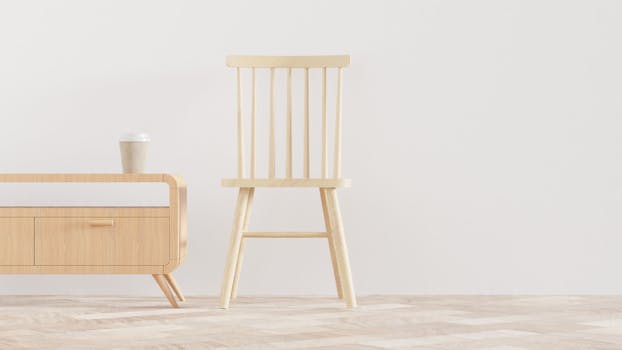
Choosing solid wood furniture is one of the best ways to bring warmth, durability, and timeless style into your home. Unlike pieces made from particleboard or veneer, solid wood can last for decades when it is made well and cared for properly. But not all wooden furniture is equal, and shopping for the right piece takes more than liking the color or shape.
If you want furniture that looks great and stands up to daily use, it helps to know what to look for before you buy. Here are the most important factors to consider.
Before you start comparing styles, make sure the furniture is truly solid wood. Some pieces are described with words that sound similar but are very different in quality.
Solid wood is usually heavier, more durable, and more repairable. It may cost more upfront, but it often saves money over time because it lasts longer.
Different woods offer different strengths, colors, and price points. The type of wood has a big impact on how the furniture performs and how it ages.
Hardwoods are generally the best choice for long-term durability. Softer woods, such as pine, can still be attractive and affordable, but they dent more easily and may not be ideal for high-traffic areas.
A beautiful finish does not always mean quality craftsmanship. The way furniture is built matters just as much as the wood itself.
Pay attention to how the piece feels. A chair or table should be sturdy, not shaky. If drawers stick, doors don’t align, or the frame bends under light pressure, the construction may be weak.
The finish protects the wood and affects how the furniture looks and wears over time. A good finish should enhance the grain while guarding against stains, scratches, and moisture.
For example, dining tables and coffee tables need durable finishes that can handle spills and frequent cleaning. Bedroom furniture may not need the same level of protection, but it should still be sealed well.
The best solid wood furniture for your home depends on how you live. A piece that looks perfect in a showroom may not be practical for a busy household.
Ask yourself:
If you have an active household, choose woods and finishes that can handle wear and tear. Darker woods can hide marks better, while lighter woods can create a more open, airy feel.
Solid wood furniture comes in many styles, from rustic farmhouse to sleek modern. While it is tempting to follow trends, choosing a design with lasting appeal is often the smarter move.
A good piece should fit more than one look. Neutral shapes, classic lines, and natural finishes tend to work well as your décor changes over time. If you are investing in a large item like a dining table or bed frame, timeless design is usually worth more than a trendy finish.
Also consider whether the furniture can be refinished later. Solid wood can often be sanded and restained, which gives it a longer life and more flexibility than many other materials.
Solid wood furniture can vary widely in price. A higher price does not always guarantee better quality, but extremely cheap pieces are often a warning sign.
It is often better to buy one well-made piece than several lower-quality items that need replacing sooner. Think of the purchase as a long-term investment rather than a short-term expense.
If environmental impact matters to you, look into where the wood comes from. Responsible sourcing is an important part of choosing furniture today.
Sustainably sourced solid wood furniture gives you the benefits of quality craftsmanship while supporting better forest management.
Learning how to choose solid wood furniture is really about balancing beauty, durability, and practicality. Start by confirming the piece is truly solid wood, then look at the wood species, construction, finish, and overall design. Think about how the furniture will be used and whether it fits your space for years to come.
When you choose carefully, solid wood furniture can become one of the most rewarding investments in your home. It brings character, holds up to everyday life, and often looks even better with age.

